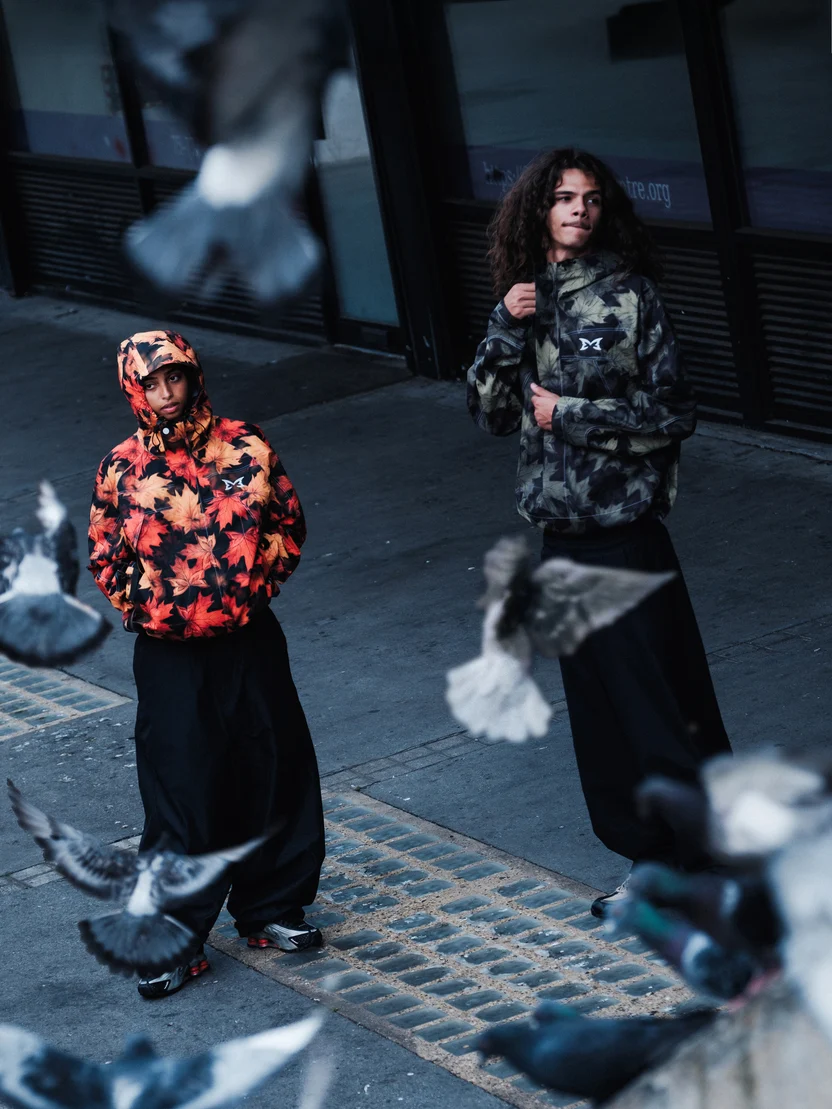
In a streetwear landscape where slapping a logo on a blank hoodie can sometimes pass for a design philosophy, MERTRA is taking a rather different approach. Think technical innovation, unconventional materials, considered construction and a healthy disregard for the boundaries between fashion, art, music and contemporary culture.
Founded in Melbourne in 2022 by then twenty-year-old Aron Williams, MERTRA has quickly established itself as a label with an international outlook and a distinctly independent spirit. What began as a personal pursuit of clothing that Williams simply couldn’t find elsewhere has developed into a global fashion operation, with a million-plus community across Instagram and TikTok and an expanding presence spanning the UK, Europe, the US, Japan and Australia.
 And now, the brand is making another significant move, officially opening its US operations and bringing an end to the customs charges, international shipping costs and lengthy delivery times that American customers have previously had to endure.
It’s another milestone for a label that has consistently demonstrated that global ambition doesn’t necessarily require a traditional route to market.
More Than Just a Logo
MERTRA’s appeal lies in its commitment to the details. Rather than relying on familiar streetwear formulas, the brand has built its collections around material experimentation, technical construction and garments that offer something beyond the obvious.
Its product range covers everything from outerwear, fleece and tracksuits to bags, headwear and eyewear. But look a little closer and the real interest is in the design thinking behind the pieces.
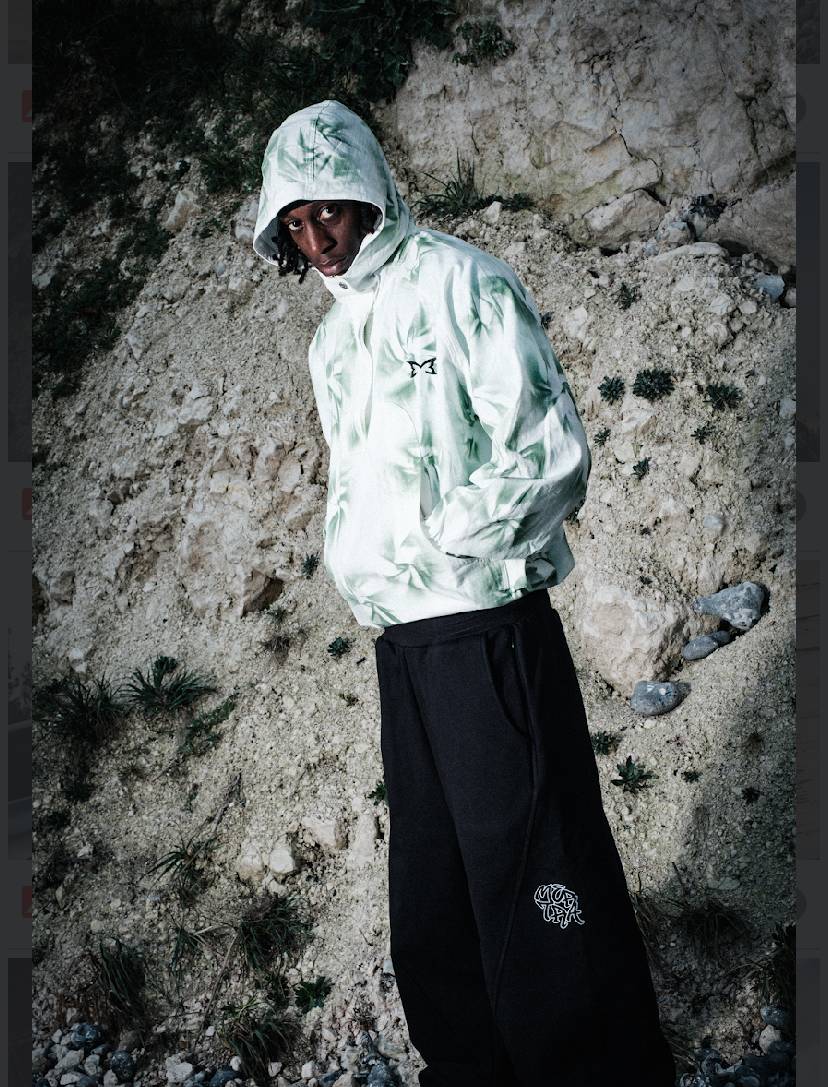
Shells that react to heat, water and light, reversible outerwear, convertible bags and caps, alongside carefully sourced fabrics selected for their technical properties and rarity, demonstrate a willingness to explore what clothing can actually do.
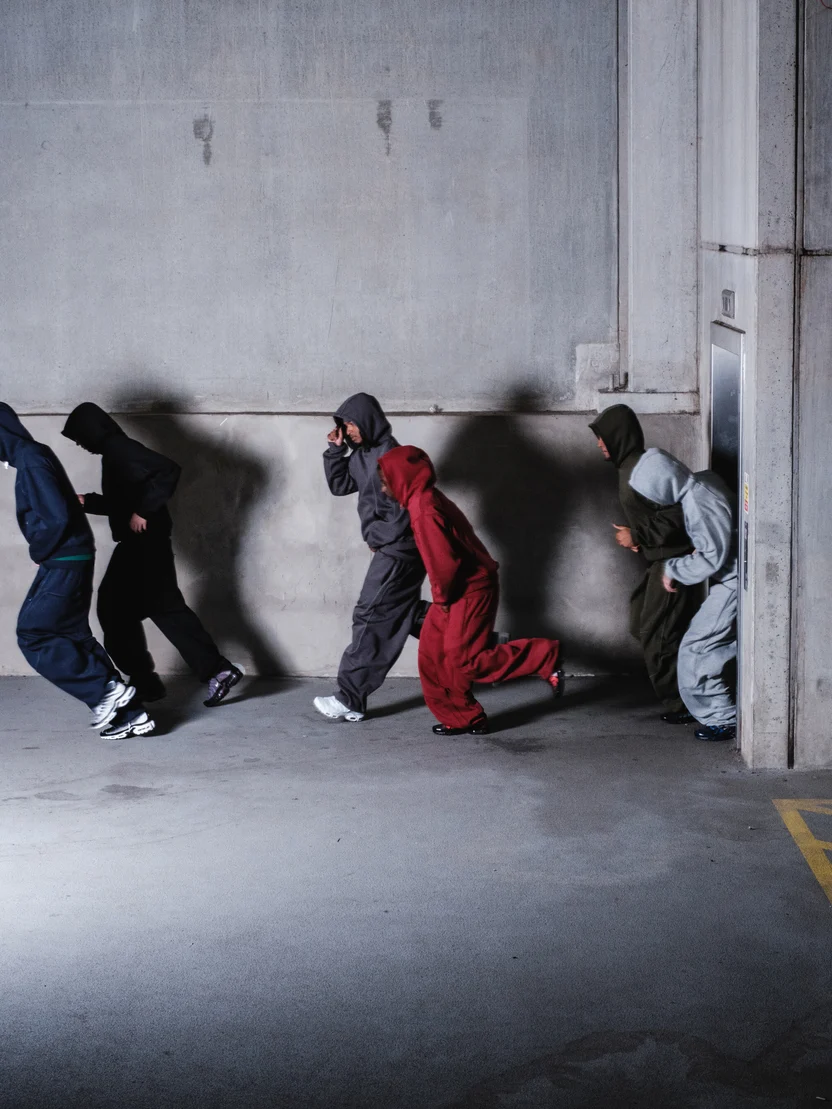 There is a functional intelligence to the collections, but equally an appreciation of visual impact and individuality. The result is streetwear that feels informed by the technical demands of performance apparel as much as the expressive possibilities of contemporary fashion.
It’s an interesting space to occupy, particularly at a time when the lines between luxury, streetwear, sportswear and technical clothing have become increasingly fluid.
From Melbourne to the World
MERTRA’s journey has been anything but conventional. Founded in Australia, the brand developed its international audience through direct-to-consumer releases, building demand across multiple markets before establishing a physical operational presence in each.
Now headquartered in London, with offices in Melbourne and China and a team of 23, MERTRA has maintained a distinctly global outlook from the outset. Each release has been available directly to consumers, with drops timed to the minute and accessible to an international audience from day one.
That approach has helped create a community that extends well beyond any single fashion scene or geographical market.
As Williams explains:
“When I started MERTRA in Australia, I was designing clothes for myself that I couldn’t find anywhere else. My outlook has always been cosmopolitan, drawn to art, music, sport, and fashion in equal measure. As the brand has grown, watching people from all over the world connect with what we’re doing has been nuts.
“MERTRA has never been about a single scene or subculture. It’s about a shared outlook and an appreciation for the complexities and crossovers in modern life and self-expression, wherever people come from.”
It’s a philosophy that feels particularly relevant to a generation of consumers who are as likely to draw inspiration from underground music, contemporary art and global sport as they are from traditional fashion institutions.
Collaborations Without Borders
Collaboration has become an increasingly important part of MERTRA’s creative identity, providing an opportunity to explore different perspectives while expanding the brand’s cultural reach.
In 2025, the label partnered with British sportswear institution Umbro on a 17-piece collection, bringing together MERTRA’s technical sensibilities with the sporting heritage of a name synonymous with football and British street culture.
 The following year saw further creative partnerships, including a collaboration with British-Nigerian artist Olaolu Slawn. Known for his distinctive visual language, Slawn brought his artistic perspective to a series of hand-painted, one-of-one pieces, blurring the boundaries between wearable fashion and collectible art.
MERTRA also launched its first eyewear collection in collaboration with designer Peter Yee, extending its product offering into another category where material choices, design detail and personal expression are particularly important.
These projects suggest a brand more interested in creative crossovers than simply adding another recognisable name to its portfolio.
Campaigns That Refuse to Stand Still
If the collections demonstrate MERTRA’s interest in technical design, its campaigns reveal a similarly adventurous approach to visual storytelling.
The brand has worked with a diverse cast of cultural figures, including Lil Yachty, SAINTÉ, Mia Khalifa, Giovanna Ramos, iaaaaaaaaaaannnnnnnn and Camo!, creating imagery in locations that are a long way from the familiar conventions of fashion advertising.
Campaigns have been photographed on Mont Blanc, across Southern Italy, inside a prison and in a cave 70 metres underground. The visual settings are deliberately varied, reflecting a creative outlook that doesn’t feel particularly interested in playing by the established rules of fashion marketing.
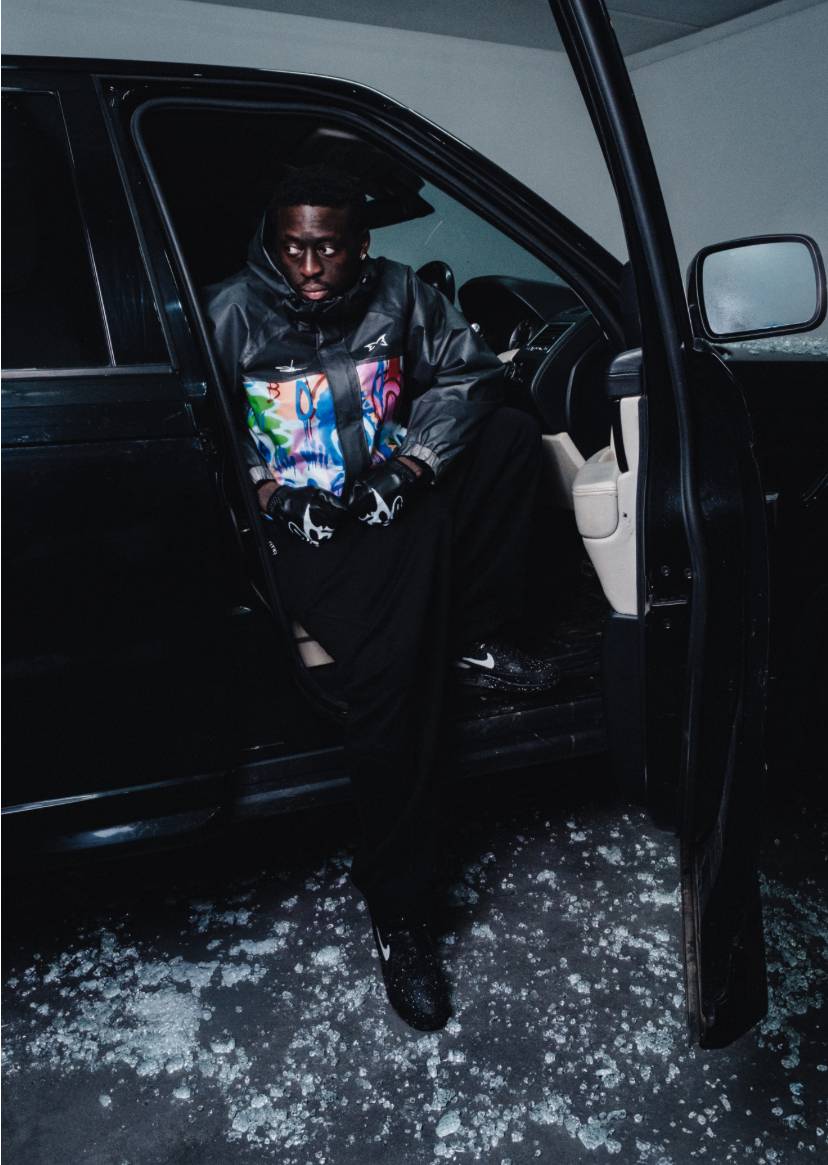 Earlier this year, MERTRA spent a month in the United States shooting campaigns in Los Angeles and New York, while its collaboration with Olaolu Slawn was photographed on Lil Yachty in Atlanta.
There is an interesting contrast between the technical precision of the clothing and the often unconventional environments in which it is presented. Rather than simply showcasing garments against carefully controlled studio backdrops, MERTRA uses its campaigns to construct a wider cultural narrative around the label.
It’s fashion as an ongoing conversation rather than simply a product launch.
America, the Next Chapter
The opening of MERTRA’s US operations marks an important development in the brand’s international expansion.
Until now, American customers have supported the label despite having to contend with additional customs charges, international delivery costs and waiting times that could stretch into weeks. With the new operation in place, US customers can access faster shipping, avoid those additional charges and enjoy the same direct experience already available to customers in the UK, Europe and Australia.
For Williams, the move represents the culmination of a relationship that has developed organically over several years.
“The US supported MERTRA from very early on, despite customers having to pay customs and wait weeks for their orders. Establishing a proper US operation was always a priority, and now our American customers can finally have the same experience as those in Australia, the UK, and Europe. Faster shipping, no additional charges, and full access to our archive and new releases.”
It is a logical next step for a business that has grown internationally through digital distribution and community engagement, rather than following the traditional retail expansion playbook.
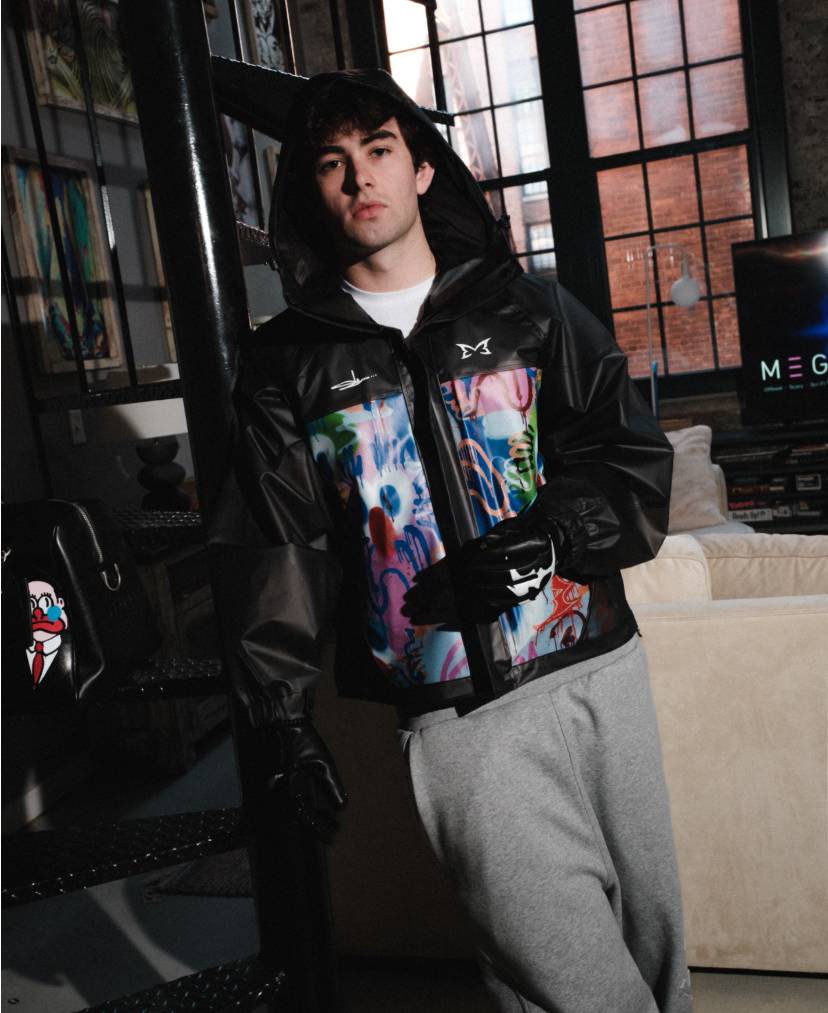 America follows the UK, Europe and Australia, markets that MERTRA entered through product releases and an existing audience before establishing a more substantial operational presence. In that sense, the US launch is less about discovering a new market and more about investing in one that has already demonstrated its appetite for the brand.
A Different Perspective on Modern Streetwear
MERTRA’s rapid growth offers an interesting insight into the changing nature of contemporary streetwear. The traditional distinctions between fashion, sport, art and music are increasingly difficult to maintain, while digital communities allow independent labels to develop international audiences without necessarily relying on established retail infrastructure.
Williams’ original ambition was relatively straightforward: to create clothing that reflected his own interests and creative outlook. What has emerged is a brand that brings together technical experimentation, global cultural references and a direct relationship with its audience.
With its growing product range, high-profile collaborations, unconventional campaigns and expanding international operations, MERTRA is continuing to develop on its own terms.
And perhaps that is the most interesting aspect of the brand. In a market where so many labels are competing for attention through recognisable logos and familiar streetwear tropes, MERTRA is making a case for a more considered approach, one where the construction, materials and ideas behind the clothes matter just as much as the name on the label.
From Melbourne to London and now firmly established in the American market, this is a brand with a genuinely international perspective and plenty more territory to explore.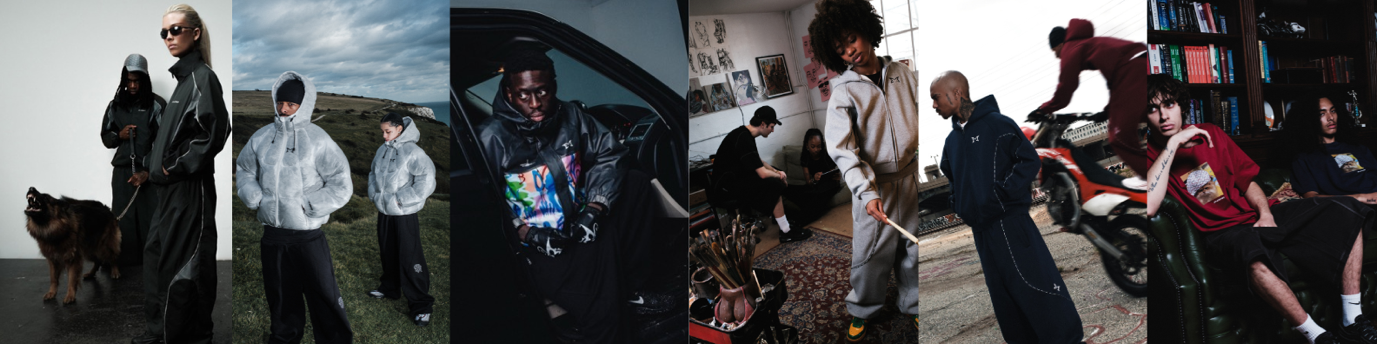

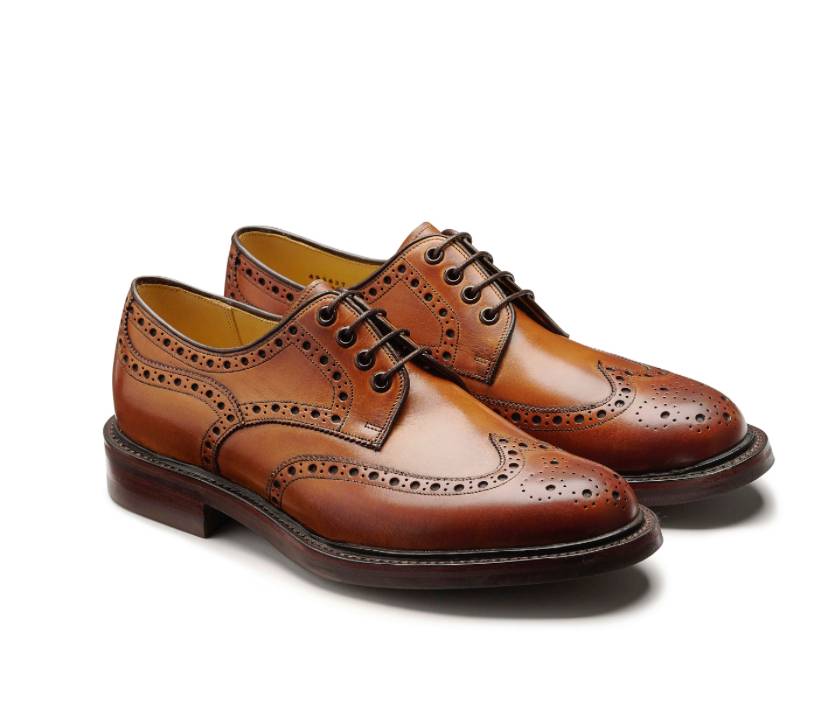
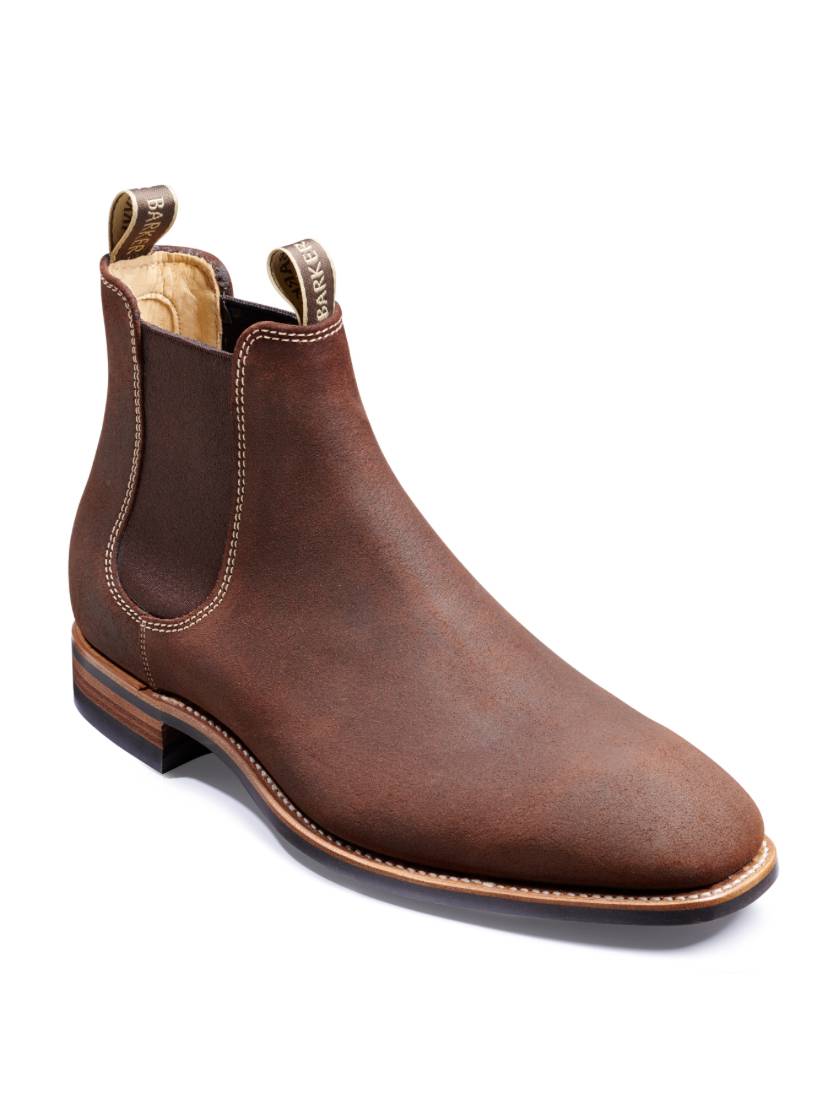 Founded by Arthur Barker in 1880 in the Northamptonshire village of Earls Barton, BARKER began life as a hand-sewn shoemaker working alongside local craftsmen. More than a century later, the brand continues to manufacture its footwear in the same village, drawing on generations of expertise to create shoes that balance traditional construction with contemporary versatility.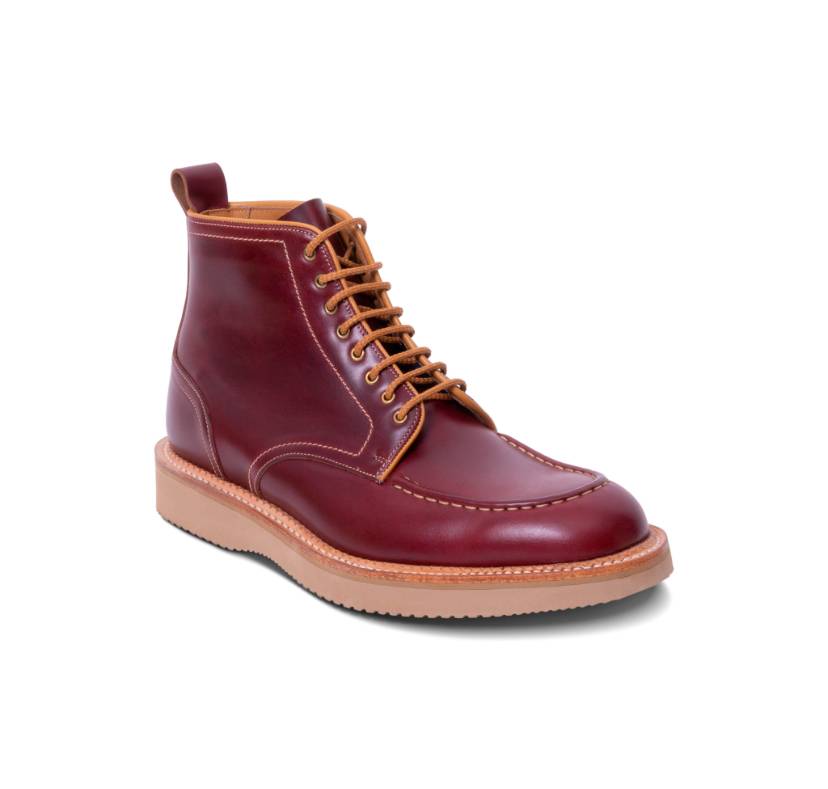
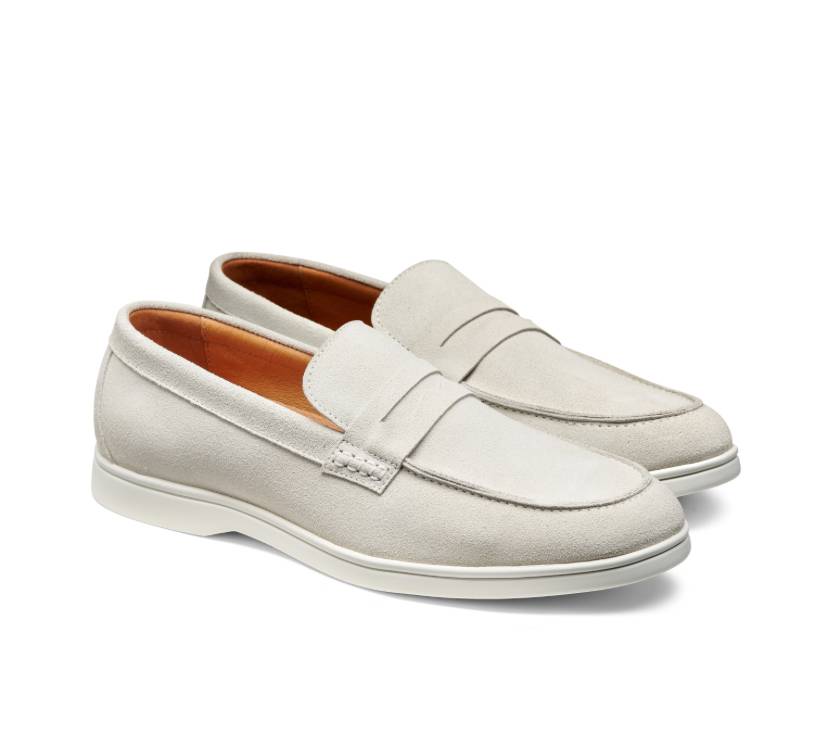
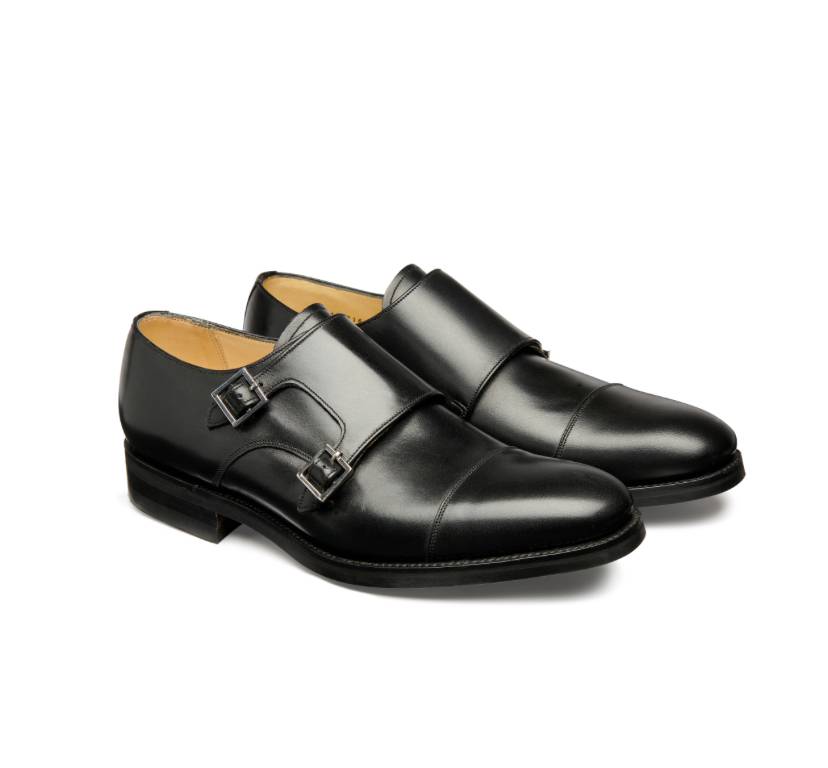 Standout designs include the Pennine chocolate-grain brogue boot, the Tunstall suede monk strap, the Braunton penny loafer and the Sutton Chelsea boot. Each offers a distinctive interpretation of the modern gentleman’s footwear wardrobe, combining heritage detailing with the versatility required for contemporary dressing.
 Beyond footwear, BARKER’s collection of leather goods and shoe-care accessories extends the brand’s craftsmanship into the finer details of wardrobe maintenance. From brushes, creams and shoe horns to cardholders and wallets, these thoughtfully considered pieces offer appealing options for seasonal gifting while providing an opportunity to explore the enduring art of shoe care.
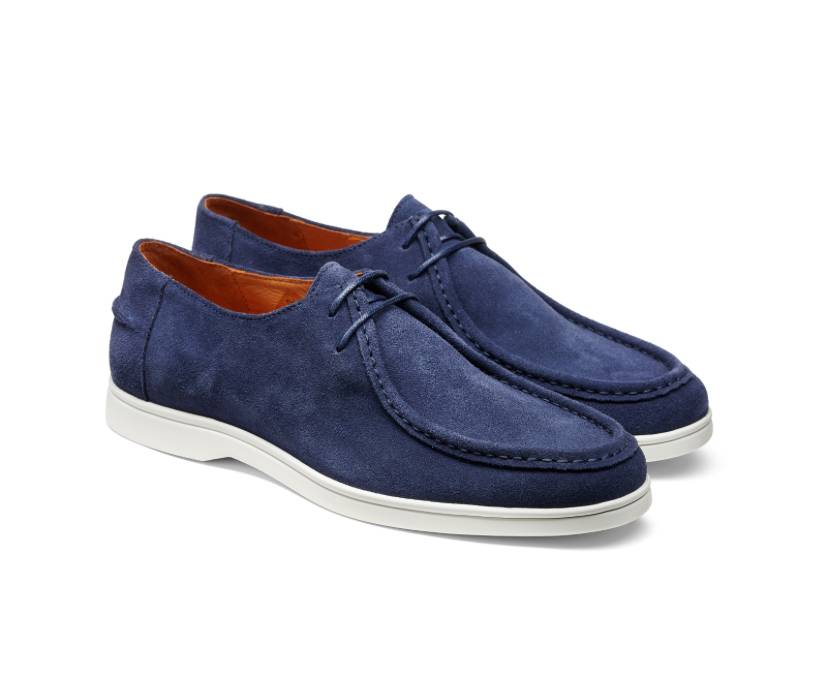 For those who appreciate quality, longevity and understated British style, BARKER Shoes is a reminder that great footwear is as much about how it is made and maintained as how it looks.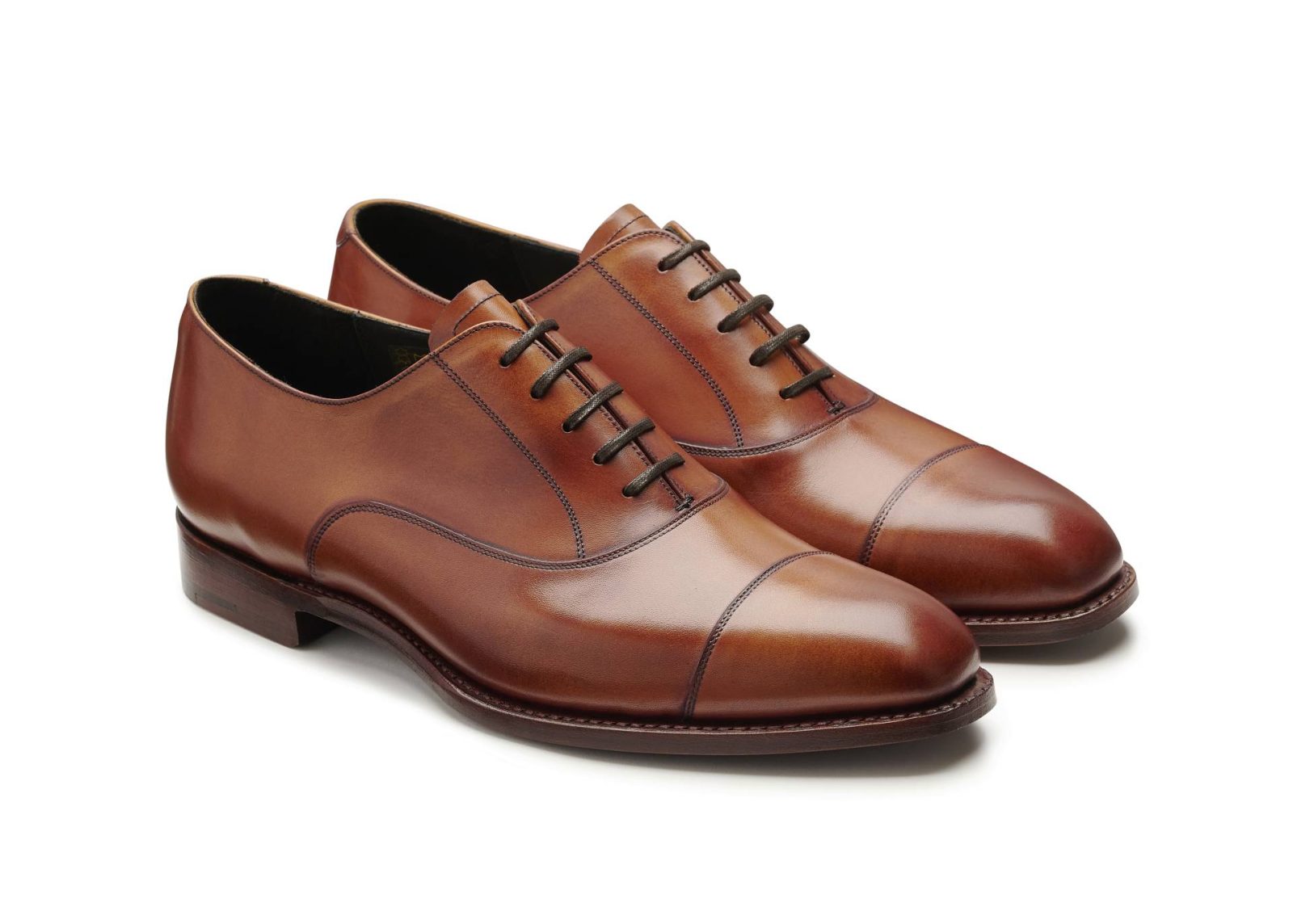
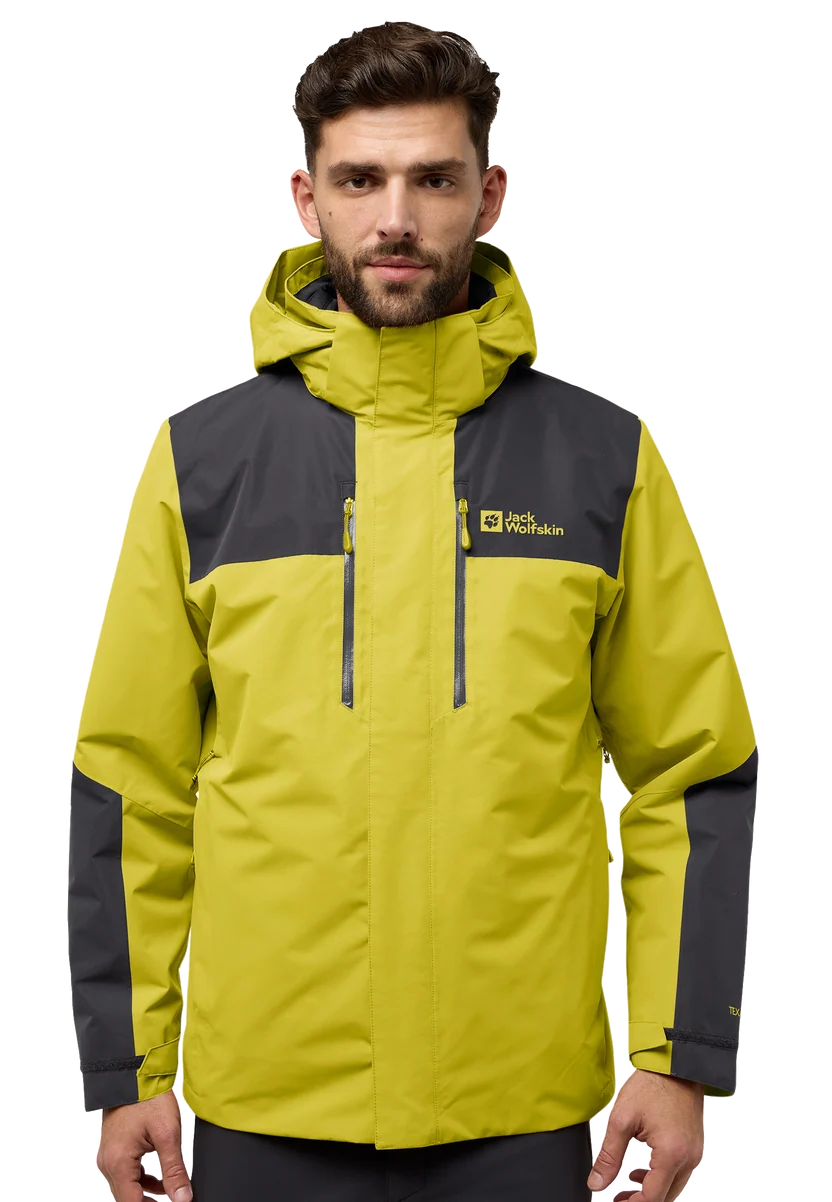



 Forget fast fashion and fleeting trends. For Autumn/Winter 2026, the focus is firmly on craftsmanship, heritage and a more considered approach to dressing. As consumers look to build wardrobes that work harder and last longer, timeless outerwear is having a moment, with wax cotton, tweed, wool and functional yet fashionable jackets leading the way.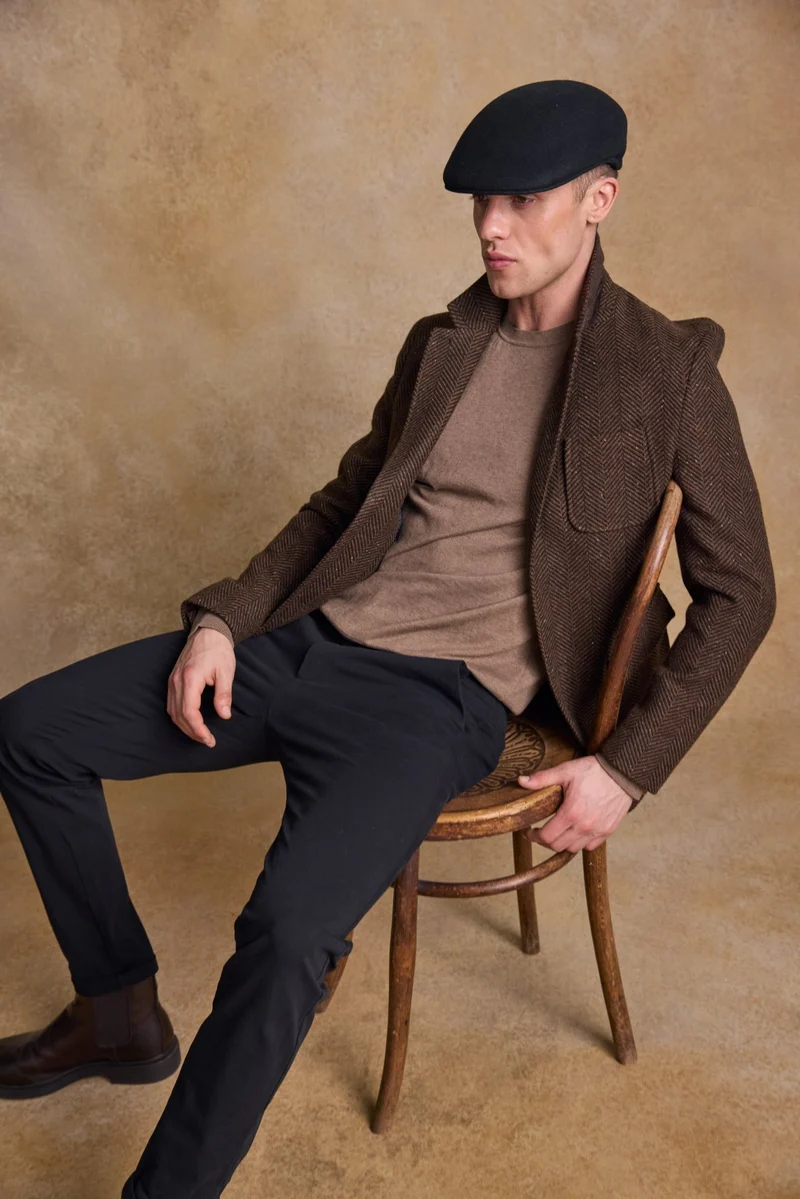
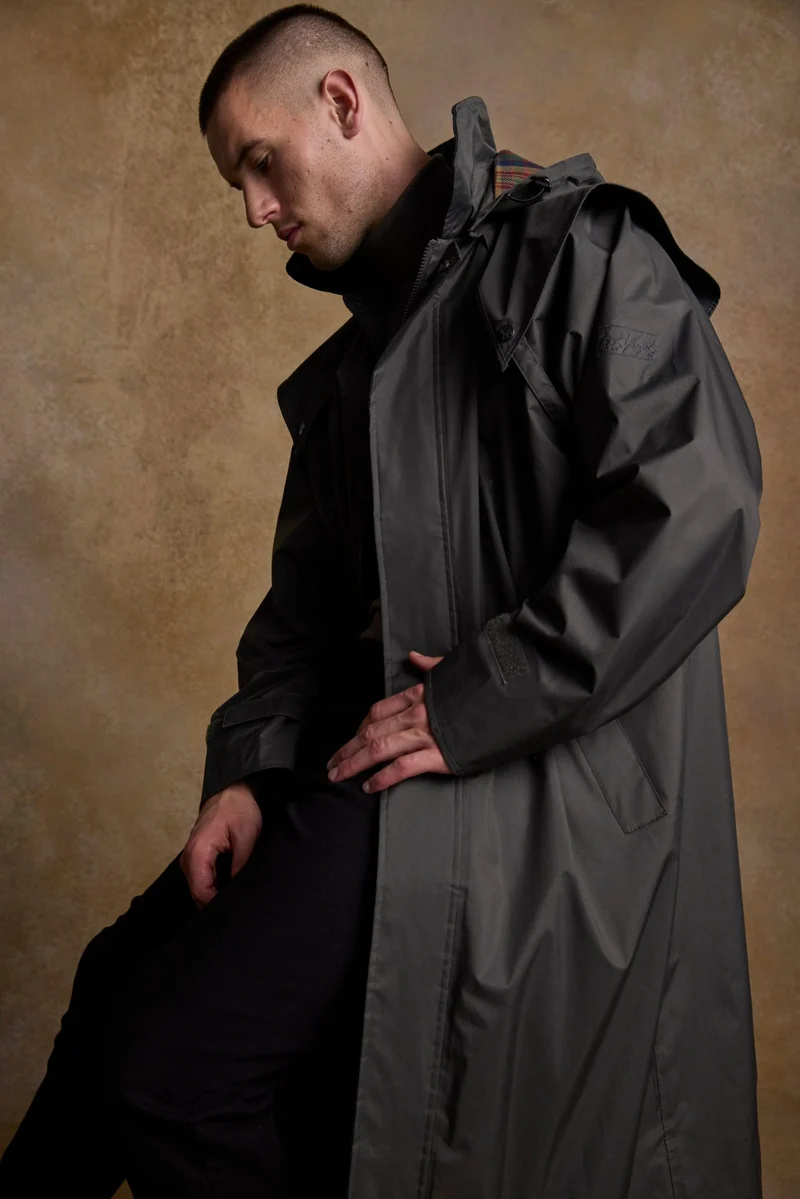
 Green tartan is particularly relevant this season. Drawing inspiration from the Irish landscape, moss, pine and bracken tones give heritage checks a richness and depth that works effortlessly alongside navy, camel, black and denim.